Is Heartworm Prevention Necessary During Winter?
Colder weather does not mean a break from heartworm risk. Learn how heartworm disease spreads, why year-round prevention matters, and what you can do to protect your dog.
BudgetPetWorld Team

Many dog owners assume their pets are safe from heartworm once the weather turns cold. Unfortunately, mosquitoes and heartworms do not really take a break, which is why heartworm disease needs attention all year.
What is heartworm disease?
Heartworm disease is caused by a parasitic worm called Dirofilaria immitis. It spreads through the bite of an infected mosquito, which carries immature larvae. Over the following months, the larvae grow into adult worms that live in the heart, lungs and nearby blood vessels. Left untreated, heartworm disease can cause serious organ damage and can be fatal.
Do dogs need heartworm prevention in winter?
Yes. Mosquitoes can survive indoors and in sheltered warm spots, and a single infected bite is enough. Some parts of the country stay warm through winter, and travel with your dog can bring new exposure.
- Most preventives kill larvae rather than adult worms, so any gap in protection gives an infection a chance to take hold.
- Giving a preventive to a dog that already has heartworms may cause adverse reactions, so talk to your vet about testing.
- Treating heartworm disease costs far more than preventing it, and it is hard on your dog.
Why heartworm disease is so dangerous
Heartworms can cause serious internal damage and can go unnoticed for a long time, which makes early detection essential. Signs to watch for include:
- A persistent cough
- Tiredness and reluctance to exercise
- Shortness of breath
- Decreased appetite and weight loss
- A swollen belly
- Fainting
Diagnosis and treatment
Your vet will examine your dog and run blood tests to confirm an infection. Treatment aims to ease symptoms and eliminate the worms, and it is managed closely by your veterinarian.
How to prevent heartworm disease
- Schedule regular vet visits, including heartworm testing as your vet advises.
- Reduce mosquito exposure by removing standing water, limiting outings at dusk and dawn, and using pet-safe repellents.
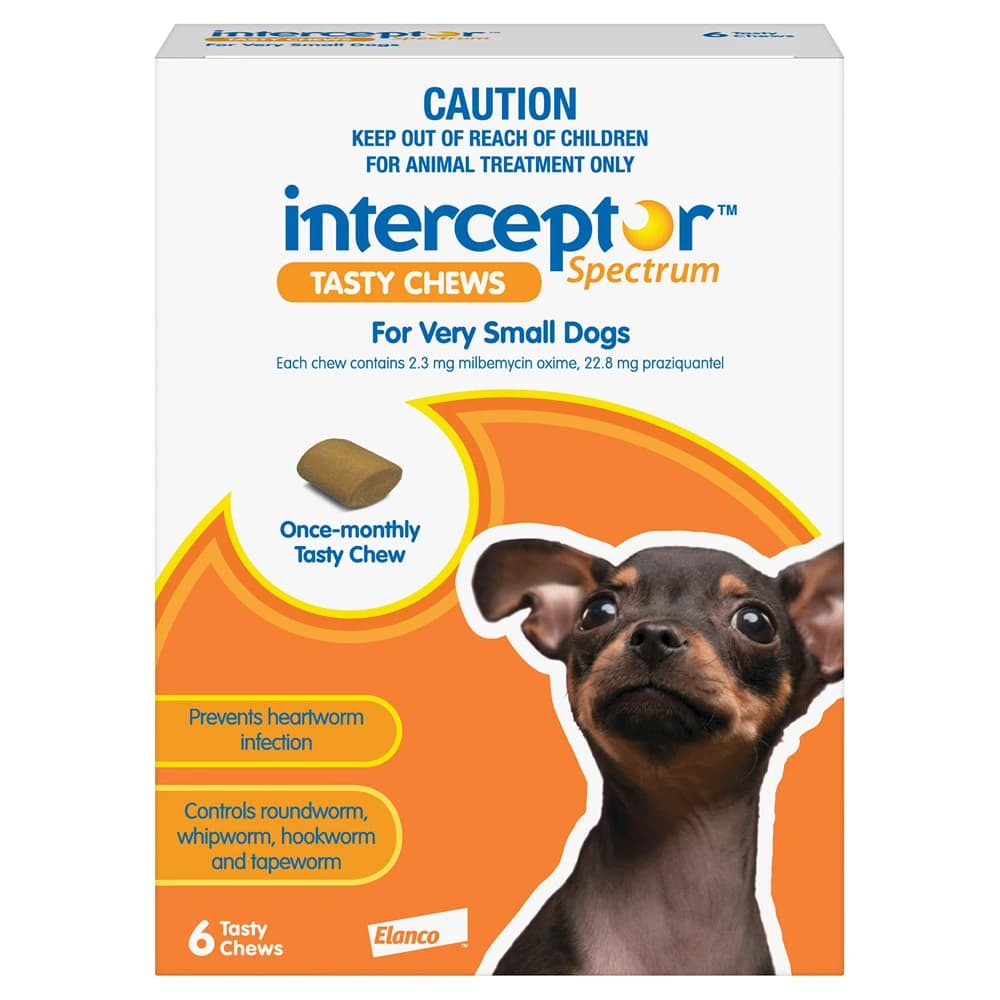
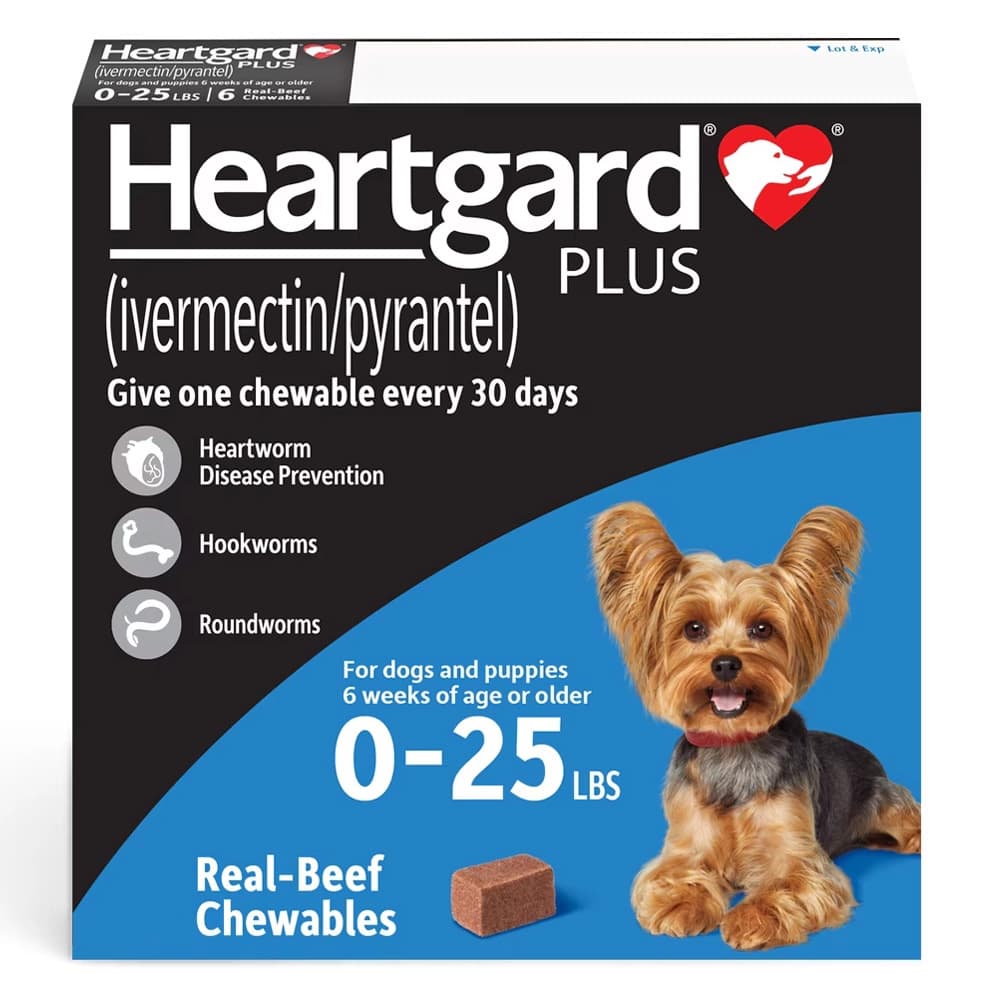
- Give a vet-approved preventive every month, all year, and never skip a dose. Popular options include Heartgard Plus, Revolution and Interceptor.
Parting words
Heartworm disease does not follow the seasons. It follows opportunity. One bite can be enough, so staying consistent with prevention all year is the best way to protect your dog.